Architectural Finishes
The material can change without changing the architecture.
Adaptable surface finishes open new possibilities across existing elements—from walls and doors to counters, ceilings and fixtures.
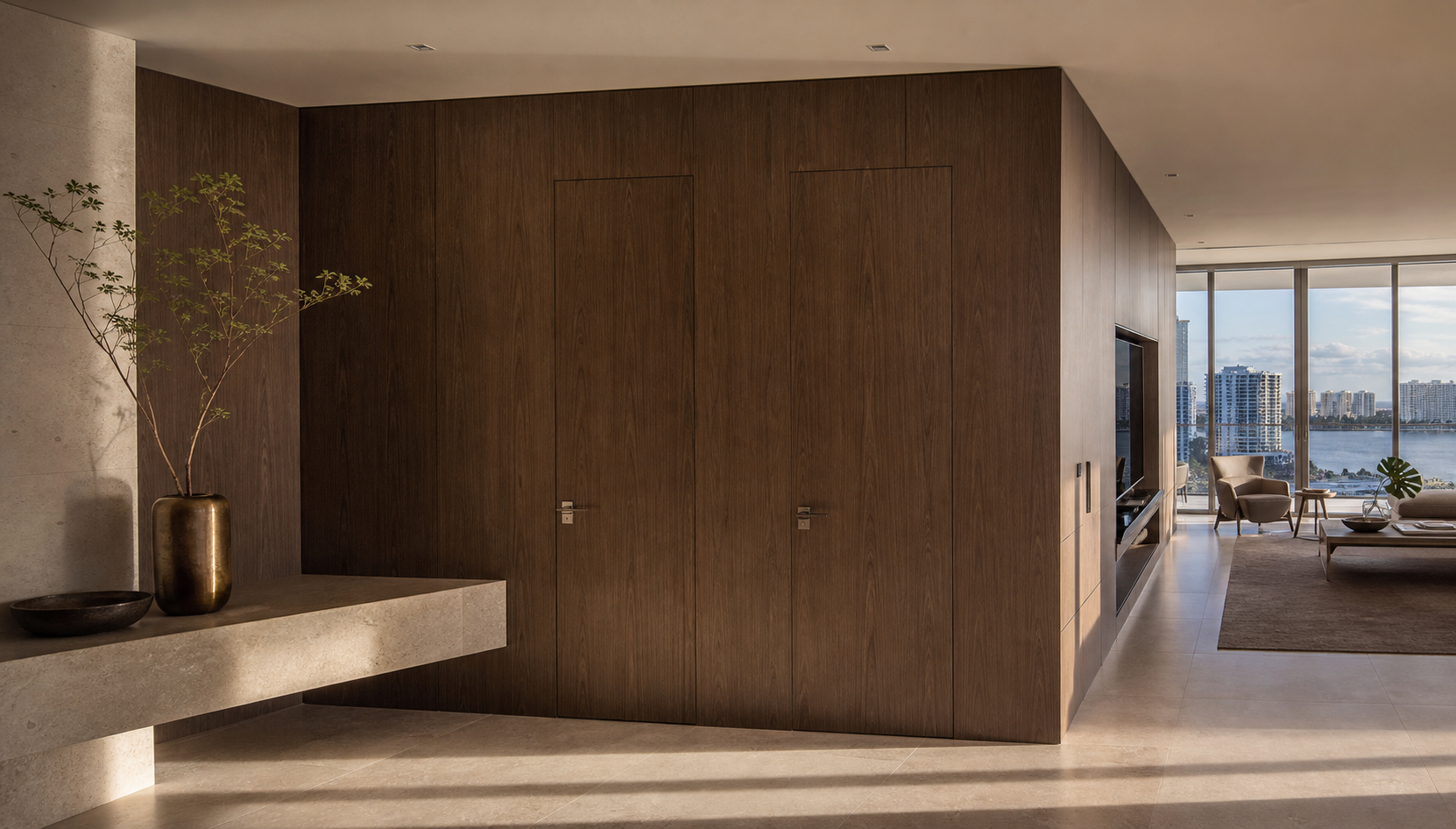
Concept imagery for layout preview · finish specifications pending

One surface system · many applications
Refresh the visible layer. Preserve what already works beneath it.
The collection is intended for projects where material character matters, but full replacement is unnecessary or disruptive.
- 01Doors
- 02Counters
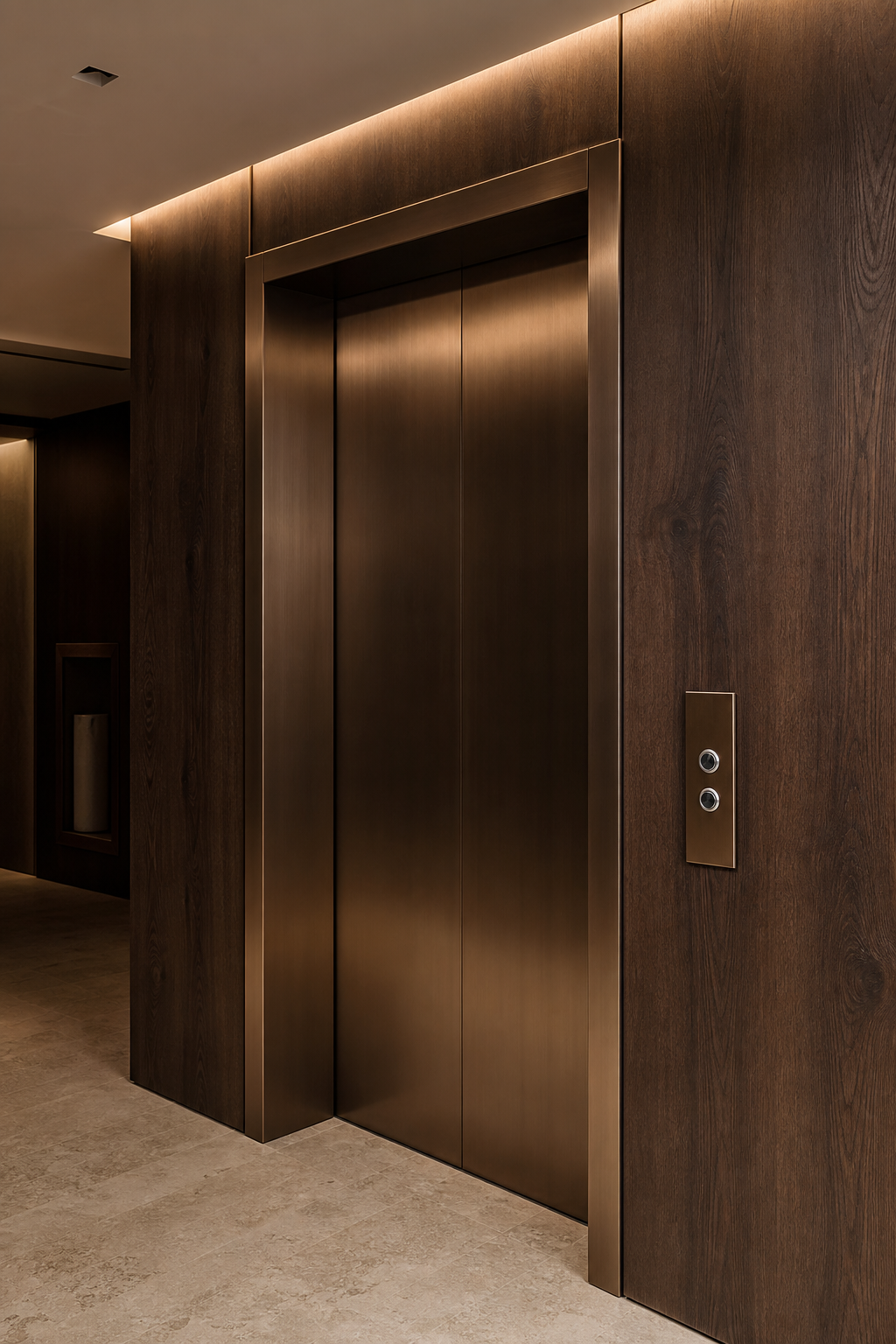
- 03Elevators
- 04Ceilings
- 05Fixtures
- 06Walls
- 07Cabinets
Beyond paint
A wall has more than one way to be finished.
For a long time the only way to give a wall character was to change its color. Applied finishes and dimensional panels changed that: warmth and texture can now be introduced to a surface that already exists, in commercial and residential rooms alike, without opening up the construction behind it.
The finishes vary as much as the applications do. Smooth or textured, matte or reflective, across a range of colors, formats and sizes, so a finish can be matched to a scheme instead of the scheme bending around what was available.
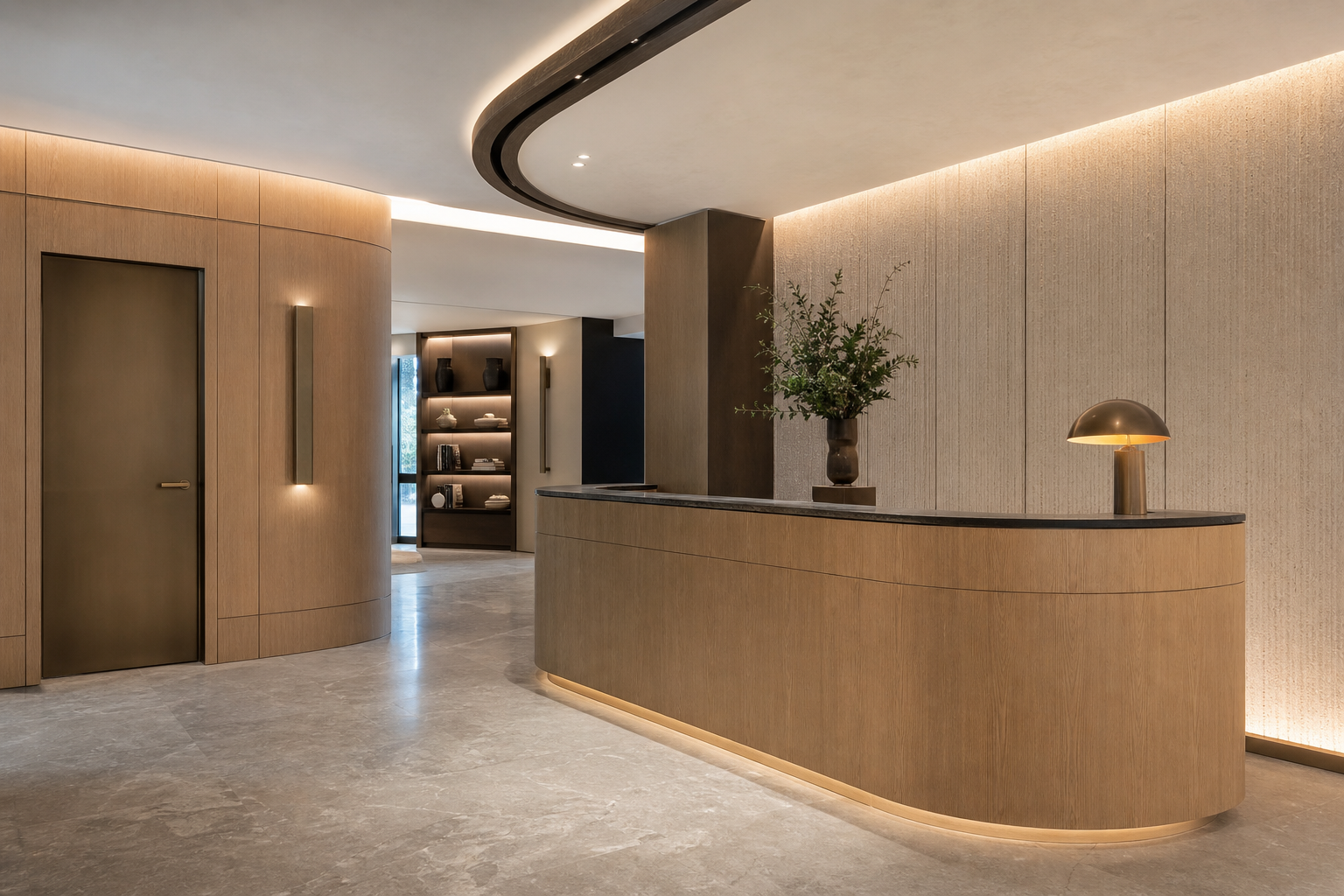
The practical case is refurbishment. Doors, counters, elevator cabs, ceilings, fixtures and walls all take the same surface treatment, which makes it possible to update how a space reads while the substrate underneath stays where it is.
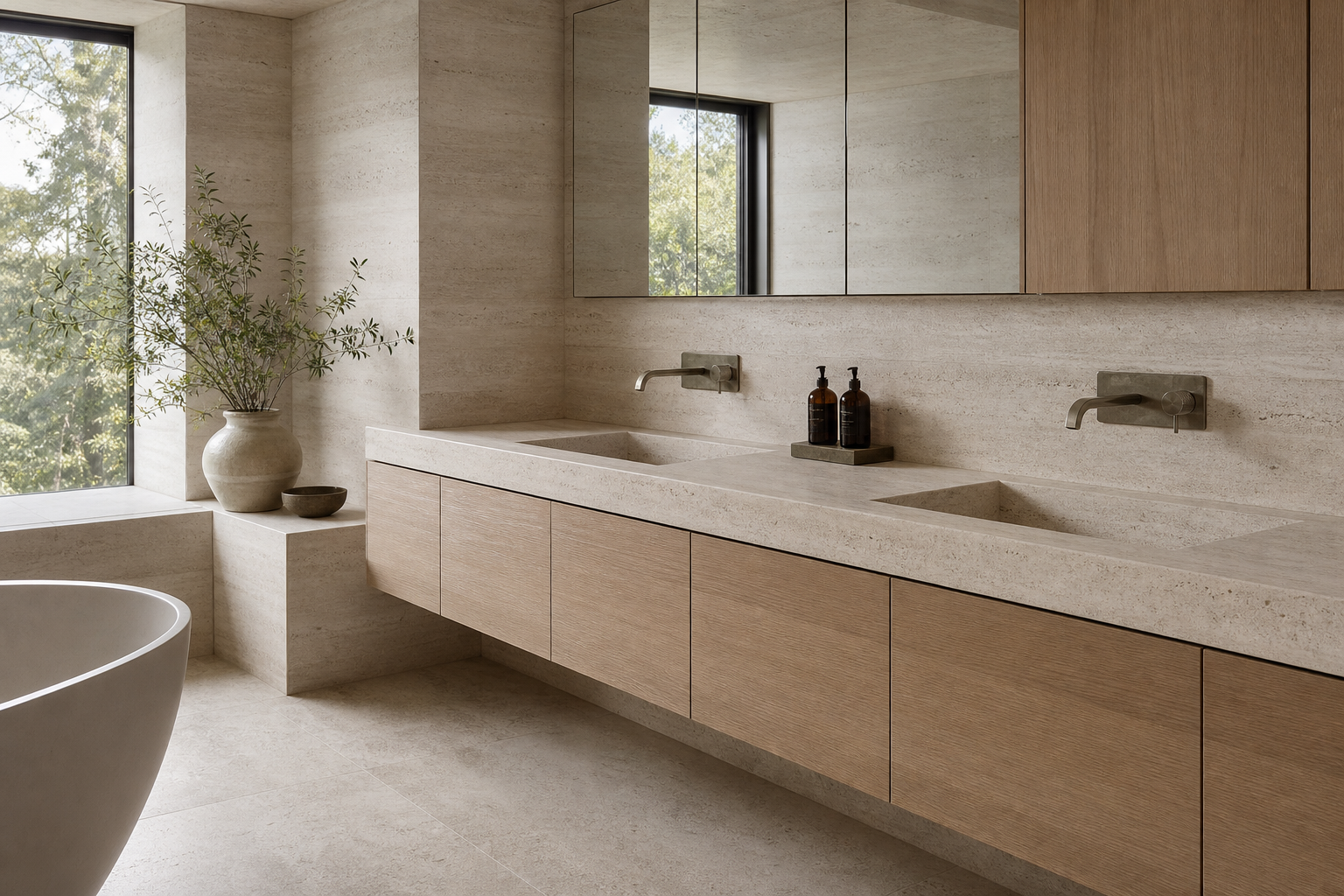
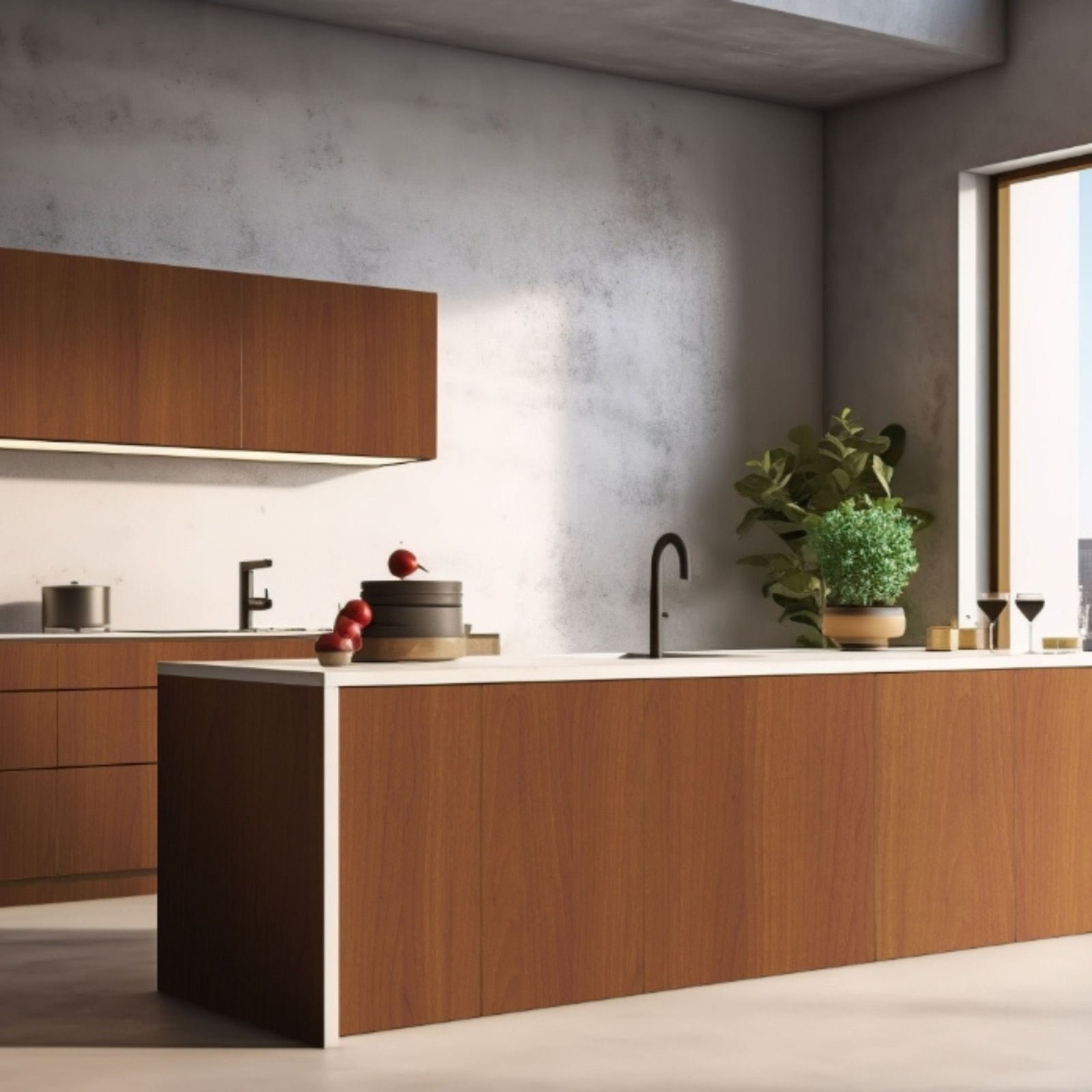
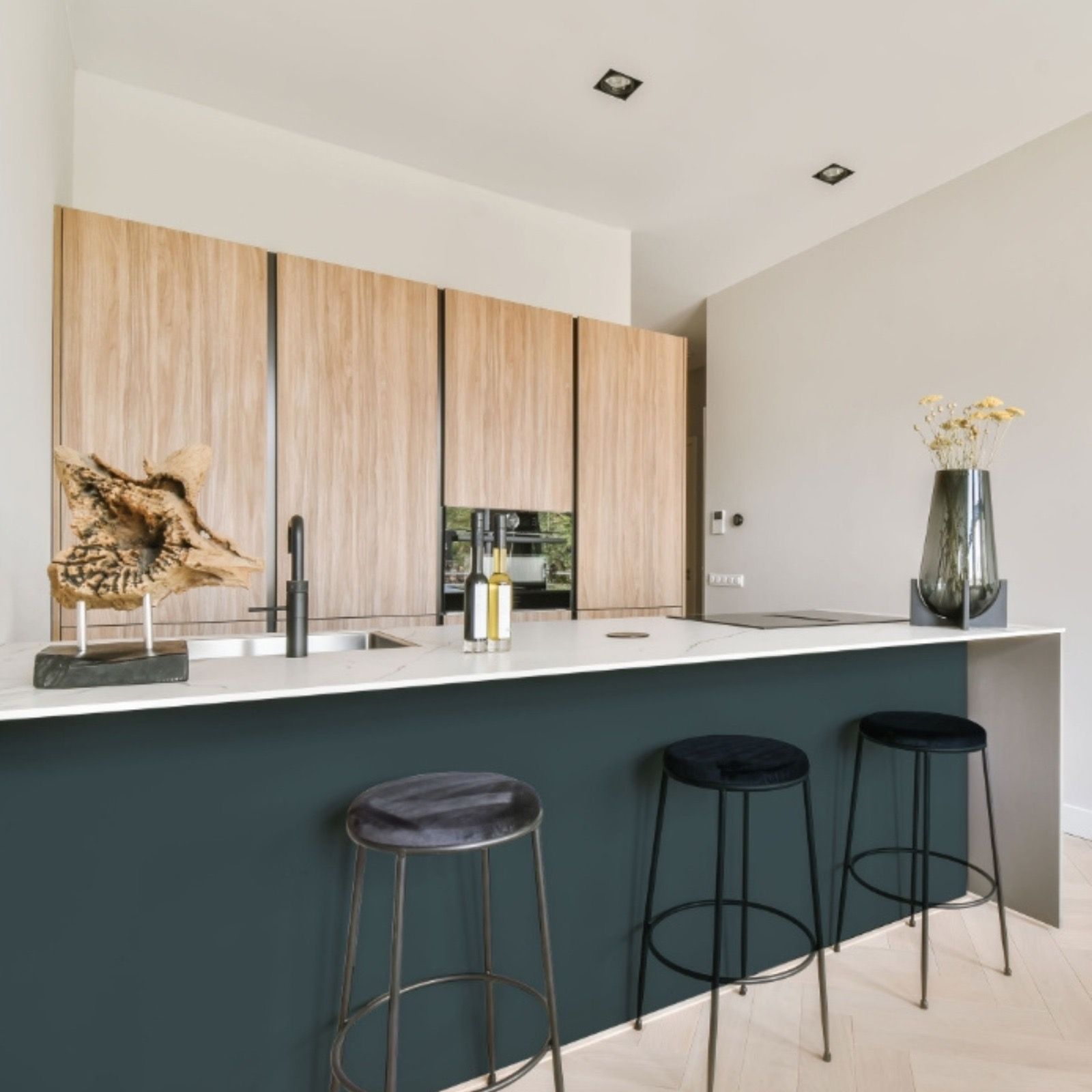
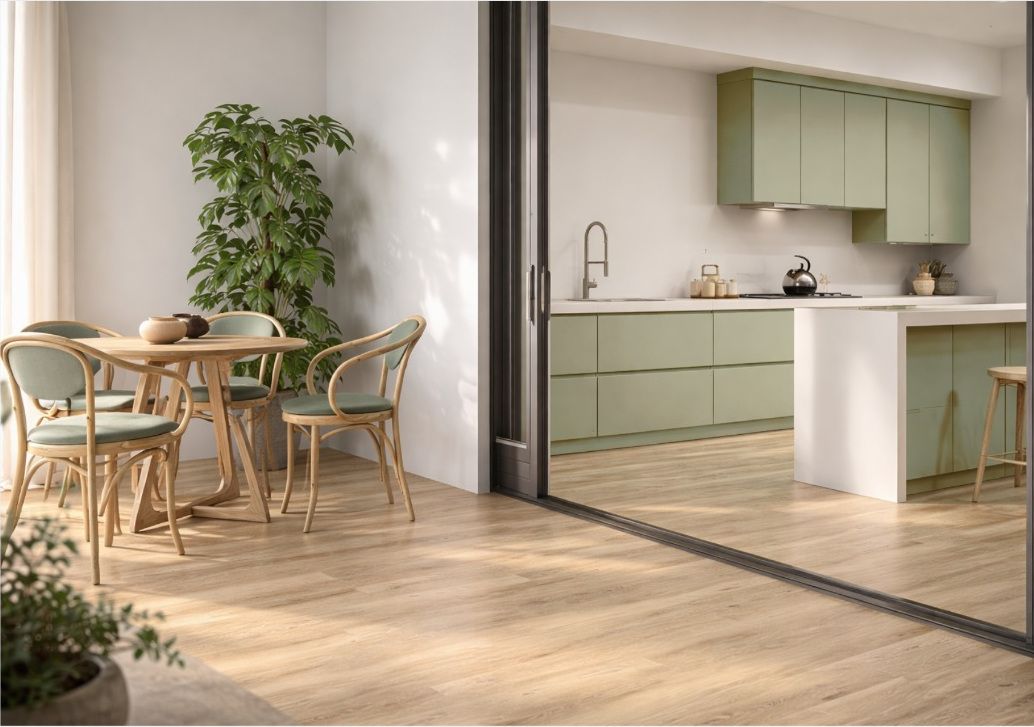
Kitchen cabinet reface
New faces. The boxes stay.
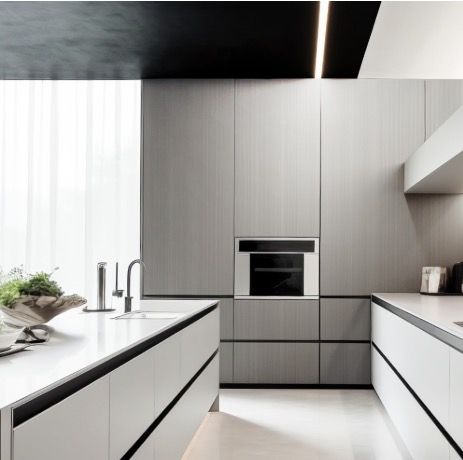
A cabinet run can change colour, grain and sheen without being pulled out. The finish goes on the doors, the drawers and the visible sides — the carcass, the layout and the plumbing stay where they are.
-
-
-
Material consultation
Bring us the surface.
Doors, counters, cabinets, elevator cabs, ceilings and walls all take the same finishes. Send the dimensions and the condition, and we will start from what is possible on it.